
Flock and Family
A Review of Helen Whybrow’s The Salt Stones: Seasons of a Shepherd’s Life
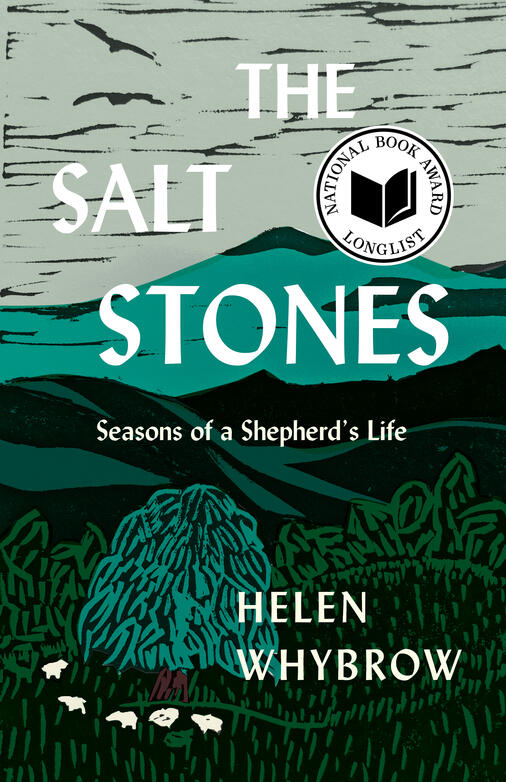 |
The Salt Stones By Helen Whybrow 304 pp. Harper Collins, $26.00 Released June 2025 |
When I think of creative nonfiction focused on nature and seasons, my mind goes directly to works like Annie Dillard’s Pilgrim at Tinker Creek and, more recently, Margaret Renkl’s The Comfort of Crows: A Backyard Year. These works center on careful observations of nature, like the scene in Tinker Creek where Dillard sits unmoving for hours, becoming a part of the landscape in hopes of glimpsing a family of muskrats.
Helen Whybrow’s recent memoir The Salt Stones: Seasons of a Shepherd’s Life is part of that tradition of bearing witness to the natural world, but in it she does much more than simply witness nature—she labors in it. Labor seems an apt word here: In the first chapter, Whybrow minsters to a laboring ewe, reaching into the birth canal to guide two tangled lambs into this world. With her three-year-old daughter, Wren, perched on a nearby hay bale, she pulls out the first lamb, living, and the second lamb, dead. At the end of that heart-wrenching scene, Whybrow writes, “I lift Wren, and she is warm and heavy against my chest. I know, when she wakes, the first question she will ask is about the lambs. I will tell her: ‘One is good. One didn’t make it.’ And then, together, we will go see.”
This first scene contains much of what we need to know about the book’s themes—her life as a shepherd and as a mother, with all the love and sacrifice and exertion required to care for a flock and a family. The scene also shattered any kind of romantic myth I held of shepherding. Death and decline are as much a part of the story as life, and Whybrow’s beautifully crafted prose gives an unflinching look at both.
Whybrow’s fierce protectiveness shines through on the page as her herd faces everything from coyotes and parasites to bad weather and battling rams. She narrates the dual responsibilities of caring for land and flock, though their interests don’t always align. The land carries deep scars from humanity’s continued mistreatment, complicated by the changing climate and, for Whybrow, being a shepherd means finding a way to balance all of it while caring for her flock. Between meditations on disappearing pastoral traditions and a dying natural world, it would be easy to despair, but Whybrow manages to write from a place of hope:
The reflections on land and animals in The Salt Stones parallel Whybrow’s experience as a woman, a daughter, and a mother. Some of the most poignant moments in the book narrate interactions between Whybrow and her daughter on the land, caring for the sheep together. Wren’s presence brightens the book as we see her grow from a three-year-old perched on the hay bale to a young woman leaving home.
Alongside Whybrow’s account of raising a daughter on their Vermont hill farm runs another narrative, one detailing the mental and physical decline of her mother. The tender stories between her and her mother resonated with me, as they will resonate with anyone who has experienced the heartbreak of seeing a loved one lose their memories—or, as Whybrow puts it, lose their stories. Stories make us who we are, and the reflections about her mother’s dementia take on greater meaning in the context of Whybrow writing her own story.
The constancy of shepherding ties the threads of mother and daughter together. As she cares for her sheep, she does so in the context of “centuries [of] other women whose flocks gave them solace. The land, too, was a woman’s solace. As her children flew, she stayed with the flock, and she and the flock tuned their movements to one another. The flock was her murmuration, her wingbeat, the ever-shifting pulse and pattern of her days.” For Whybrow, being a mother and daughter and woman takes the same kind of stewardship as shepherding a flock and caring for the land.
That connection to place becomes an important part of Whybrow’s meditations. She describes how the farm and flock she cares for provides her with the sense of belonging she sought as a teenager and young adult. Many readers will relate to the feeling of being untethered when they first leave home; we all feel the need to belong somewhere and losing your place of origin, for whatever reason, is disorienting. For Whybrow, belonging is an active process, more than just finding a place that feels like home: “We are participants in our own sense of belonging. It doesn’t happen automatically, and has less to do with the place itself than our energy to receive it. We make it happen—with a mother, a hillside, a lifework, a way of being—through a deep commitment over time, through our curiosity, through our merging. Belonging is a two-way embrace.”
As she weaves each narrative thread together, Whybrow infuses the memoir with vivid, layered prose. It was difficult to read the book without frequently stopping, re-reading and highlighting whole paragraphs. Her writing is both direct and filled with vibrant imagery, managing a careful level of detail without getting bogged down by overwrought descriptions. I will limit myself to two examples:
Ultimately, Helen Whybrow offers a glimpse into the life of someone who cares deeply for her family, her flock, and the land they call home. The Salt Stones: Seasons of a Shepherd’s Life is a rewarding and beautiful memoir.
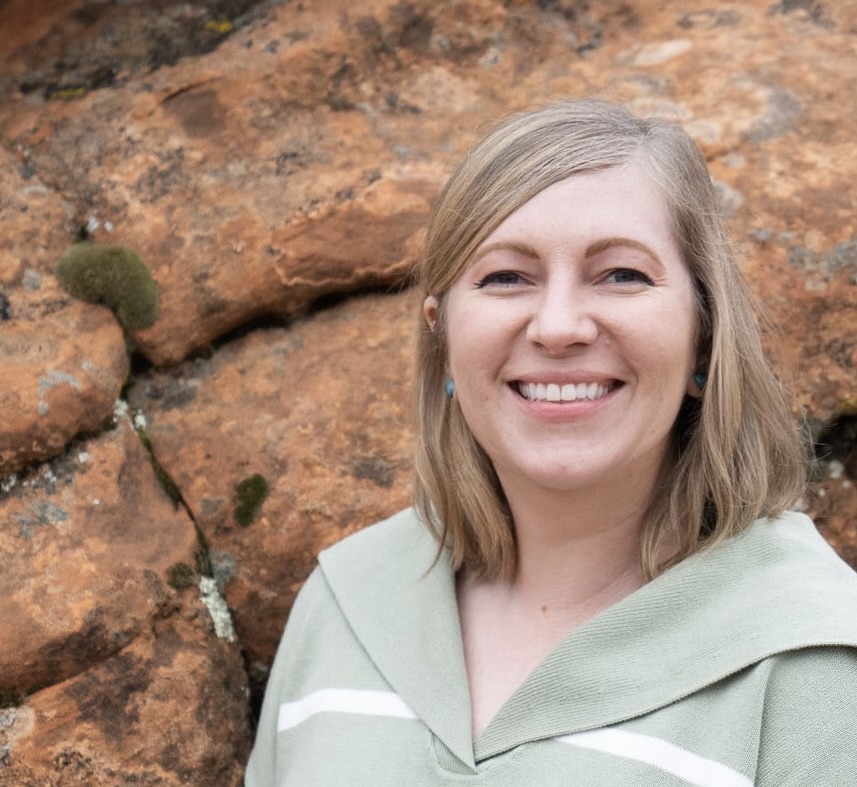
Natalie johansen
Natalie Johansen teaches composition and creative writing at Southern Utah University. Her essays and reviews have appeared in New Letters, Prick of the Spindle, Segullah and more.